 Nihongo Nihongo
Practical Grammar Guide for JLPT N5-N4
| No | Grammar | Grammar Meaning | Example | Example Meaning |
| 1 | ~は~です | Affirmative: … is … | わたしは学生です。 | I am a student. |
| 2 | ~は~じゃありません | Negative: … is not … | わたしは医者じゃありません。 | I am not a doctor. |
| 3 | ~は~ですか | Interrogative: Is …? | あなたはミラさんですか。 | Are you Mr. Miller? |
| 4 | ~も | Also / Too (replaces は) | ミラさんも会社員です。 | Mr. Miller is also a company employee. |
| 5 | ~の~ | Possession, origin, or attribute | わたしの本です。 | It is my book. |
| 6 | これ / それ / あれ | Pronouns: This / That / That over there | これは辞書です。 | This is a dictionary. |
| 7 | この / その / あの + N | Demonstrative adjectives: This / That … | この傘はわたしのです。 | This umbrella is mine. |
| 8 | そうです / そうじゃありません | Yes, it is / No, it isn’t | はい、そうです。 | Yes, that’s right. |
| 9 | ~か、~か | Choice: … or …? | これは「9」ですか、「7」ですか。 | Is this a “9” or a “7”? |
| 10 | ここ / そこ / あそこ | Place pronouns: Here / There / Over there | ここは食堂です。 | Here is the dining hall. |
| 11 | こちら / そちら / あちら | Direction/Place (Polite): This way / That way | お手洗いはあちらです。 | The restroom is that way. |
| 12 | ~はどこ / どちらですか | Where / Which direction is …? | 電話はどこですか。 | Where is the telephone? |
| 13 | ~は N (place) です | … is at (place) | ミラさんは会議室です。 | Mr. Miller is in the meeting room. |
| 14 | お国はどちらですか | Where are you from? (Polite) | お国はどちらですか。 | Where are you from? |
| 15 | N1 の N2 (origin) | N2 made in N1 / N2 of N1 | これは日本の車です。 | This is a Japanese car. |
| 16 | いま~時~分です | It is now … o’clock … minute | いま7時10分です。 | It is now 7:10. |
| 17 | Vます / Vません | Present affirmative / negative | わたしは毎日勉強します。 | I study every day. |
| 18 | Vました / Vませんでした | Past affirmative / negative | きのうは休みました。 | I rested yesterday. |
| 19 | ~から ~まで | From … to … | 9時から5時まで働きます。 | I work from 9 to 5. |
| 20 | N1 と N2 | N1 and N2 (Connecting nouns) | 休みは土曜日と日曜日です。 | Days off are Saturday and Sunday. |
| 21 | ~ね (confirmation) | Sentence-ending particle for agreement | 毎日大変ですね。 | It’s tough every day, isn’t it? |
| 22 | N (place) へ行きます | Direction of movement (Go to…) | 京都へ行きます。 | I am going to Kyoto. |
| 23 | どこ[へ]も 行きません | Complete negation (Not going anywhere) | どこへも行きません。 | I am not going anywhere. |
| 24 | N (vehicle) で行きます | Means of transportation (Go by…) | 電車で行きます。 | I go by train. |
| 25 | N (person) と行きます | Accompanying person (Go with…) | 家族と日本へ来ました。 | I came to Japan with my family. |
| 26 | いつ~ますか | Asking for time (When?) | いつ日本へ来ましたか。 | When did you come to Japan? |
| 27 | ~よ (new info) | Particle for new information (…, you know) | この電車は甲子園へ行きますよ。 | This train goes to Koshien, you know. |
| 28 | N を V (transitive) | Object marker for transitive verbs | ジュースを飲みます。 | I drink juice. |
| 29 | N をします | Do / Play (Noun) | サッカーをします。 | I play soccer. |
| 30 | 何をしますか | Asking about action (What will you do?) | 月曜日、何をしますか。 | What will you do on Monday? |
| 31 | なん / なに | Question word: What? | 何の本ですか。 | What book is it? |
| 32 | N (place) で V | Place of action (Do something at…) | 駅で新聞を買います。 | I buy a newspaper at the station. |
| 33 | Vませんか | Invitation: Won’t you…? | いっしょに京都へ行きませんか。 | Won’t you go to Kyoto with me? |
| 34 | Vましょう | Proposal/Suggestion: Let’s…! | ちょっと休みましょう。 | Let’s take a short break. |
| 35 | N (tool) で V | Means/Tool/Language (Do by/in…) | はしで食べます。 | I eat with chopsticks. |
| 36 | Language で N は 何ですか | Asking for translation (What is N in…?) | 「Thank you」は日本語で何ですか。 | What is “Thank you” in Japanese? |
| 37 | N (person) に N2 を あげます | Giving to someone | 花をあげます。 | I give flowers. |
| 38 | N (person) に N2 を もらいます | Receiving from someone | 本をもらいました。 | I received a book. |
| 39 | もう Vました | Action already completed (Already…) | もう荷物を送りましたか。 | Have you sent the luggage already? |
| 40 | Adj い / Adj な です | i-adjective / na-adjective (Affirmative) | 富士山は高いです。 | Mt. Fuji is high. |
| 41 | Adj い (drop い) + くないです | i-adjective (Negative) | この本は面白くないです。 | This book is not interesting. |
| 42 | Adj な + じゃありません | na-adjective (Negative) | ここは静かじゃありません。 | It is not quiet here. |
| 43 | とても / あまり | Degree adverb: Very / Not very (+ negative) | とても寒いです。 | It is very cold. |
| 44 | N は どうですか | Asking for opinion/impression (How is…?) | 日本の生活はどうですか。 | How is life in Japan? |
| 45 | N1 は どんな N2 ですか | Asking for description (What kind of… is…?) | 奈良はどんな町ですか。 | What kind of town is Nara? |
| 46 | ~が、~ | Conjunction: …, but … | 食べ物は美味しいですが、高いです。 | The food is delicious, but expensive. |
| 47 | どれ | Interrogative pronoun: Which one? | ミラさんの傘はどれですか。 | Which one is Mr. Miller’s umbrella? |
| 48 | N が あります / います | Existence (Inanimate / Animate): There is… | コンピューターがあります。 | There is a computer. |
| 49 | Place に N があります | Existence at a specific location | 部屋に机があります。 | There is a desk in the room. |
| 50 | N は Place に あります / います | Location of a specific subject | ミラさんは事務室にいます。 | Mr. Miller is in the office. |
| 51 | N1 (position) に N2 があります | Specific position (on, under, in, etc.) | 机の上に写真があります。 | There is a photo on the desk. |
| 52 | N1 と N2 の間に N3 | Position between N1 and N2 | 銀行と本屋の間にあります。 | It is between the bank and the bookstore. |
| 53 | N1 や N2 | Incomplete listing (N1 and N2, etc.) | 箱の中に手紙や写真があります。 | There are letters, photos, etc. in the box. |
| 54 | Quantity (time) V | Duration of time | 1年ぐらい勉強しました。 | I studied for about 1 year. |
| 55 | Quantity (frequency) | Frequency of action | 1か月に2回映画を見ます。 | I watch a movie twice a month. |
| 56 | Quantity だけ | Limit/Restriction: Only | 休みは日曜日だけです。 | My day off is only Sunday. |
| 57 | N1 は N2 より Adj です | Comparison: N1 is more … than N2 | この車はあの車より速いです。 | This car is faster than that car. |
| 58 | N1 と N2 と どちらが Adj | Choice between two: Which is more…? | 魚と肉とどちらが好きですか。 | Which do you like better, fish or meat? |
| 59 | N1 / N2 のほうが Adj | Expressing preference/comparison result | 肉のほうが好きです。 | I prefer meat. |
| 60 | N1 の中で ~が一番 Adj | Superlative: The most … among … | スポーツで何が一番面白いですか。 | What is the most interesting sport? |
| 61 | N が ほしいです | Desire for an object (Want…) | わたしは友達がほしいです。 | I want friends. |
| 62 | Vます (drop ます) + たい | Desire to do an action (Want to do…) | 日本へ行きたいです。 | I want to go to Japan. |
| 63 | Place へ V / N に 行きます | Purpose of movement (Go to do…) | 神戸へインド料理を食べに行きます。 | I am going to Kobe to eat Indian food. |
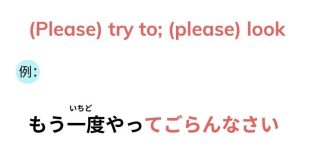
| 64 | Vてください | Polite request (Please do…) | ちょっと待ってください。 | Please wait a moment. |
| 65 | Vています | Action in progress (Be doing…) | 今、本を読んでいます。 | I am reading a book now. |
| 66 | Vましょうか | Offering to do something (Shall I…?) | 傘を貸しましょうか。 | Shall I lend you an umbrella? |
| 67 | Vてもいいです | Asking/Giving permission (May I…? / You may…) | 写真を撮ってもいいです。 | You may take photos. |
| 68 | Vてはいけません | Prohibition (Must not…) | ここで煙草を吸ってはいけません。 | You must not smoke here. |
| 69 | Vて、Vて… | Listing actions chronologically | 朝起きて、顔を洗って、食べます。 | I wake up, wash my face, and eat. |
| 70 | Adjい → くて / Adjな → で | Connecting adjectives | 軽くて、速いパソコンです。 | It is a light and fast computer. |
| 71 | V1 てから、V2 | Sequence: After doing V1, do V2 | 仕事が終わってから、飲みます。 | After work finishes, I will go drinking. |
| 72 | Vないでください | Negative request (Please do not…) | ここで写真を撮らないでください。 | Please do not take photos here. |
| 73 | Vない (drop い) + ければなりません | Obligation (Must do…) | 薬を飲まなければなりません。 | I must take my medicine. |
| 74 | Vない (drop い) + くてもいいです | Lack of obligation (Don’t have to…) | 明日来なくてもいいです。 | You don’t have to come tomorrow. |
| 75 | V (dict. form) ことができます | Ability/Possibility (Can do…) | 漢字を読むことができます。 | I can read Kanji. |
| 76 | 趣味は Vことです | Expressing hobby (My hobby is…) | 趣味は写真を撮ることです。 | My hobby is taking photos. |
| 77 | V (dict. form) 前に | Time relation: Before doing… | 寝る前に、本を読みます。 | Before sleeping, I read a book. |
| 78 | Vた ことがあります | Experience: Have done… | 馬に乗ったことがあります。 | I have ridden a horse before. |
| 79 | Vたり、Vたりします | Listing representative actions | 日曜日は掃除したり、洗濯したりします。 | On Sunday, I do things like cleaning and laundry. |
| 80 | Adj / N + なります | Change of state (Become…) | 寒くなります。 | It becomes cold. |
| 81 | Plain form + と思います | Expressing opinion/guess (I think that…) | 明日雨が降ると思います。 | I think it will rain tomorrow. |
| 82 | 「Quote」 / Plain form + と言いました | Quoting speech (Someone said that…) | 彼は「疲れた」と言いました。 | He said, “I’m tired.” |
| 83 | Plain form + でしょう? | Seeking agreement (…right?) | 明日パーティーに行くでしょう? | You are going to the party tomorrow, right? |
| 84 | N1 (place) で N2 があります | Occurrence of an event at a place | 東京で祭りがあります。 | There is a festival in Tokyo. |
| 85 | V (plain form) + N | Noun modification (Relative clause) | これは母が作った料理です。 | This is the food my mother made. |
| 86 | Vる / Vない + とき | Time condition (When doing…) | 図書館で本を借りるとき、カードが要ります。 | When borrowing a book at the library, you need a card. |
| 87 | Vる + と、~ | Inevitable consequence (If/When…, then…) | これを回すと、音が大きくなります。 | If you turn this, the sound gets louder. |
| 88 | N を V (movement) | Movement through/along a space | 公園を散歩します。 | I take a walk in the park. |
| 89 | Vて あげます | Doing a favor for someone | 傘を貸してあげました。 | I lent him an umbrella. |
| 90 | Vて もらいます | Having someone do a favor for you | 鈴木さんに手伝ってもらいました。 | I had Mr. Suzuki help me. |
| 91 | Vて くれます | Someone doing a favor for the speaker | 友達が助けてくれました。 | A friend helped me. |
| 92 | Vたら、~ | Conditional/Temporal (If / After…) | お金があったら、旅行します。 | If I have money, I will travel. |
| 93 | Vても、~ | Concessive (Even if…) | 雨が降っても、出かけます。 | Even if it rains, I will go out. |
| 94 | もし / いくら | Emphasizing condition (If / No matter how) | もし1億円あったら… | If I had 100 million yen… |
| 95 | N が Adj (Subject) | Subject marker emphasizing the doer | 誰が来ましたか。 | Who came? |
| 96 | ~は ~が Adj | Describing a specific attribute | 象は鼻が長いです。 | Elephants have long trunks. |
| 97 | V (drop ます) ながら | Simultaneous actions (While doing…) | 音楽を聞きながら勉強します。 | I study while listening to music. |
| 98 | Vています (Habit) | Habitual action (Routinely do…) | 毎朝ジョギングをしています。 | I jog every morning. |
| 99 | Plain form + し、~ | Listing reasons or qualities | 安いし、美味しいです。 | It is cheap, and it is delicious. |
| 100 | それに / それで | Conjunction: Moreover / Therefore | それに、駅に近いから便利です。 | Moreover, it is near the station so it is convenient. |
Related Post:
9 Must-Know “Drop-ます” Patterns for Everyday Japanese
JLPT N5 Grammar Exercises (with Answers)